
Insights
AI Image Editor: When to Edit, When to Regenerate, and What to Ship
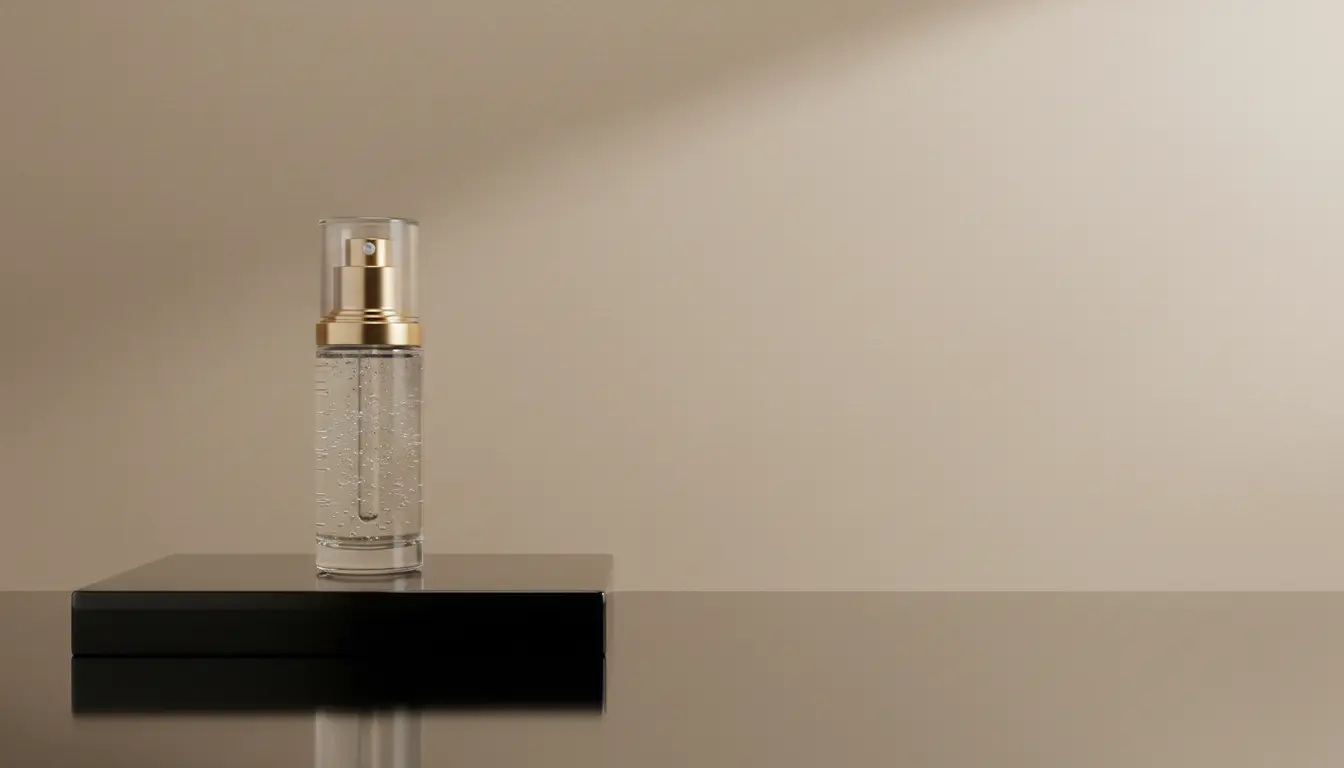
An AI Image Editor is most useful when the current image is close to right. The subject works. The composition is promising. The mood is in range. But something still blocks the asset from being ready: the background feels generic, the crop lacks copy space, the scene needs cleanup, or the final layout calls for a different environment.
That is the moment when the AI Image Editor page becomes faster than another round of generation. Instead of restarting the concept, you preserve what is working and change only what the campaign actually needs.
Quick links
When AI Image Editor is the smarter move
Use AI Image Editor when the image already contains a strong decision you do not want to lose:
- the best product angle
- the right subject
- a brand-approved color story
- a composition that already fits the placement
At that point, generation can create unnecessary drift. Editing keeps the approved logic and improves usefulness.
The most common editing jobs
An AI Image Editor usually earns its place in a workflow through a few recurring tasks:
- swapping a plain or weak background for a better scene
- expanding the frame for headline or CTA space
- cleaning distractions out of a product composition
- adapting one visual for multiple placements
- preserving a subject while changing the surrounding environment
These are not small aesthetic tweaks. They are the kinds of changes that decide whether an image can actually ship across email, landing pages, paid social, or product detail pages.
Preserve what matters before you prompt the change
The fastest way to get a bad edit is to describe only the desired transformation and ignore the parts that must stay stable.
Before you submit, define:
- what must remain unchanged
- what can move
- what the destination placement needs
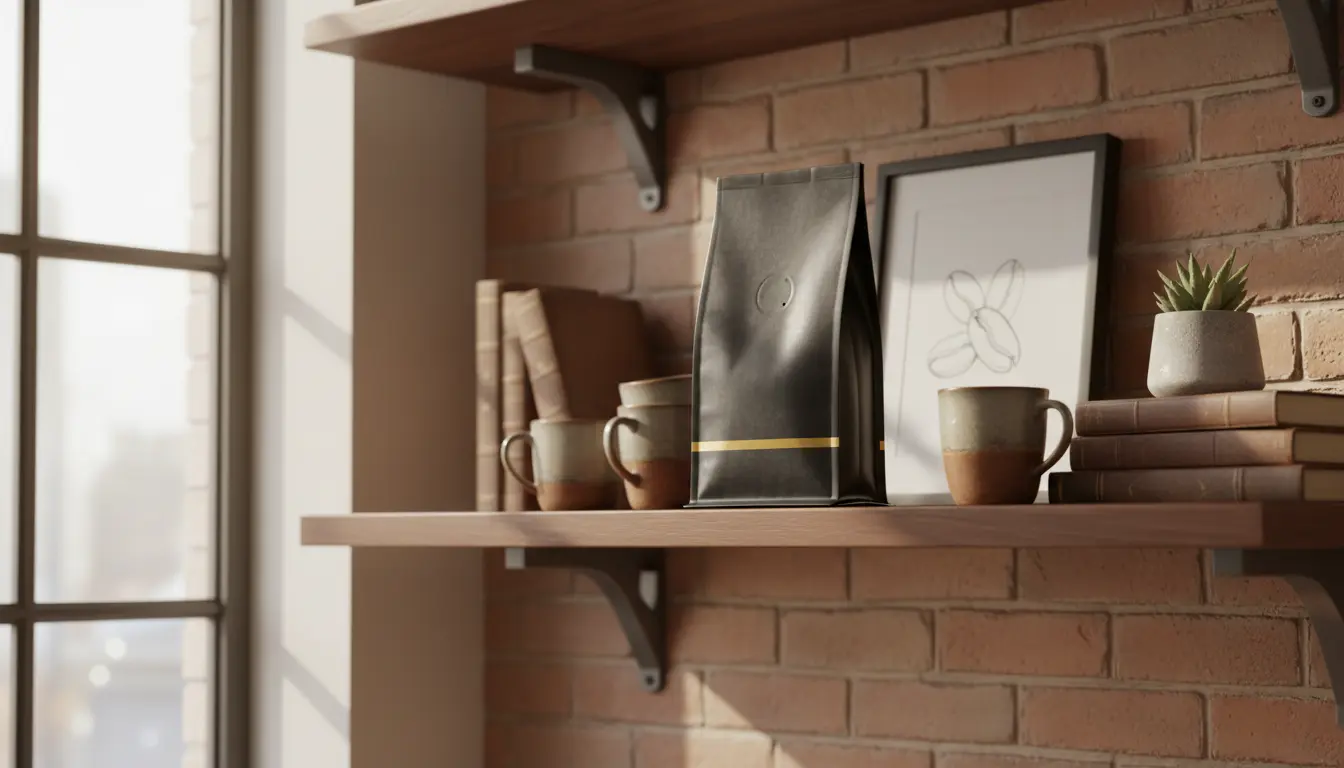
For example, if the image is heading to a landing page hero, you may need more negative space. If it is headed to ecommerce, you may need a cleaner product context. If it will later become motion, you may need the scene to feel more storyboard-ready for AI Video Generator.
How editing fits with the rest of the stack
The best edits usually connect to another step:
- Start from AI Image Generator if you still need a stronger base concept.
- Use Remove Background first when the subject needs cleaner isolation.
- Move the edited still into AI Video Generator when motion should build from that approved frame.
- Use Upscale Image if the final export feels soft but the composition is now correct.
This is where AI Image Editor becomes more than a one-off retouch tool. It becomes the place where promising visuals get converted into assets that can survive real production needs.
When not to edit
Editing is not always the right next move.
- If the concept itself is weak, go back to AI Image Generator.
- If the problem is only edge cleanup around a subject, Remove Background may be more efficient.
- If the image is already right and only needs sharper delivery, Upscale Image is usually enough.
The key is to avoid forcing editing to solve problems that belong to earlier or later stages.
Final takeaway
An AI Image Editor is at its best when it protects the good decisions already in the image while removing the blockers that keep the asset from shipping. Start on the AI Image Editor page, define what must stay stable, and then move the final still into AI Video Generator or Upscale Image only when the delivery goal asks for it.